Resource Hub
Welcome to our Resource Center! Here, you'll find tools and insights to streamline your processes and enhance customer engagement.
Reports
Report
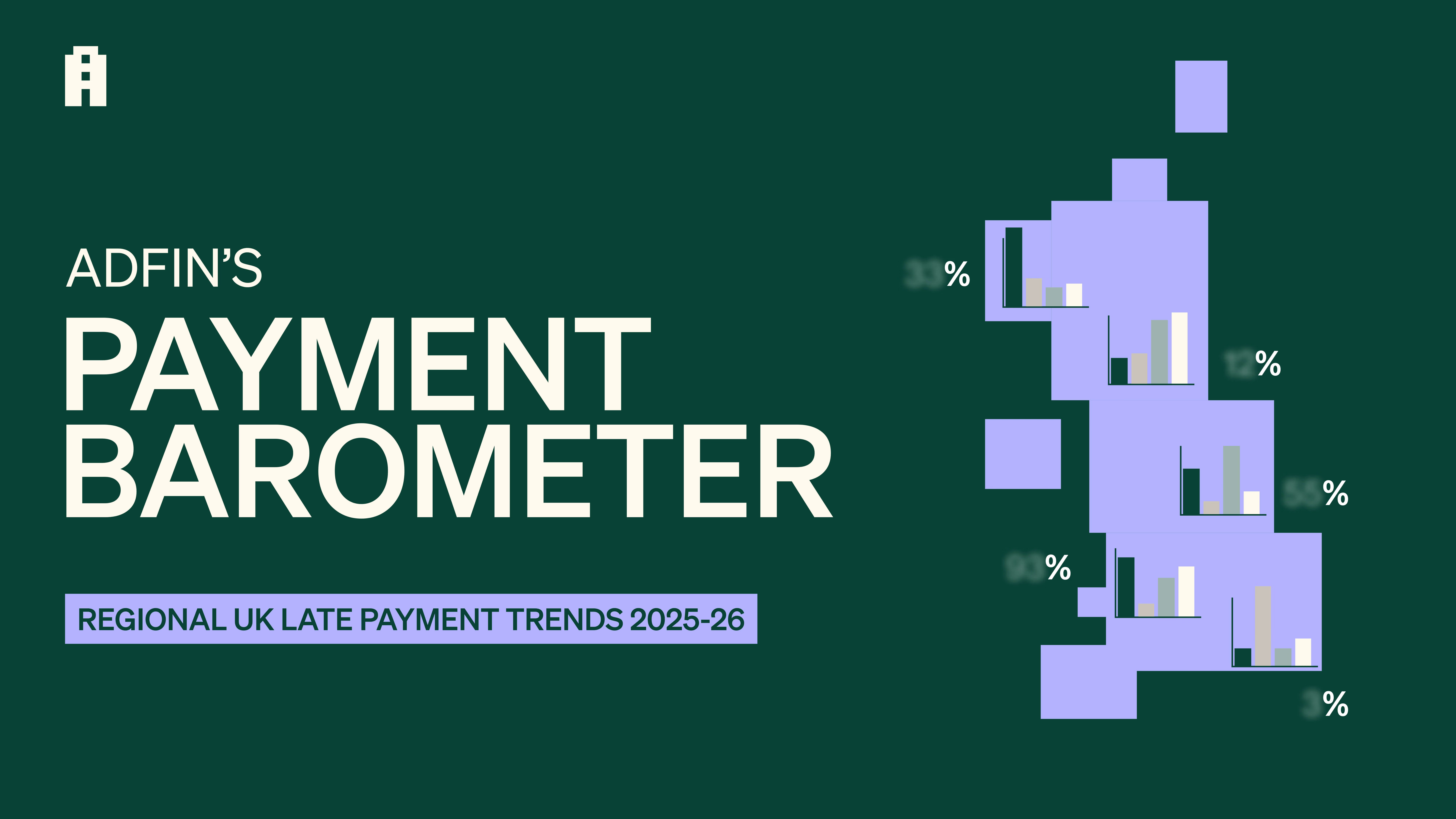
Late payments report
How quickly does every UK region really get paid?
Report
The path to Double Zero
Is the path to zero debtors and zero work in progress possible?
Guides
Why your biggest invoices are the ones still collected manually
Direct debit collects large invoices as reliably as small ones, yet mandate coverage halves as invoice value rises. Why it happens and how to change it.

Which payment collection and credit control tools integrate with Xero and QuickBooks?
Which payment and credit control tools integrate with Xero or QuickBooks in the UK, what two-way sync should cover, and what each tool leaves you to do.
Why UK direct debit and credit control are still separate products
Direct debit needs a sponsoring bank and chasing only needs your ledger, so the UK sells them apart. What falls between them, and what joined-up looks like.
Is it safe to pay by bank transfer or open banking?
Bank transfers have no chargeback, so APP fraud reimbursement is your only route back, and it doesn't cover larger firms. The checks to make before you pay.
The UK late payment reforms: what has been decided and what has not
The Commercial Payments Bill would cap payment terms at 60 days and make late interest compulsory, but it isn't law yet. What's in force and what isn't.
Letter before action: what to send and when
What a letter before action for an unpaid invoice must include, how long to give a sole trader or a limited company to reply, and how to set out interest.
Taking an unpaid invoice to the small claims court
How to claim an unpaid invoice of up to £10,000 in the small claims court: the court fees, the costs you can't recover, mediation and when it's worth it.

What's the cheapest way for a recruitment agency to get paid?
Bank transfer and pay by bank cost at most £4.20 on a £6,900 perm fee or an £870 temp invoice. Cards cost more, and late payment costs more still.
Should an accountancy practice use direct debit or standing order?
A standing order leaves the amount with your client and you aren't told when it stops. Why most practices pick direct debit, and when a standing order works.
Your reminders go out but clients still do not pay
Reminders going out and clients still not paying? Check your due dates, who gets the reminder, how easy it is to pay, and which names cause the lateness.
Invoice numbering rules for UK businesses
What UK law asks of invoice numbers, which numbering schemes work, how to handle gaps and duplicates, and why unique numbers make payments easier to match.
Invoicing for UK businesses: a complete guide
What every UK invoice must include, what VAT registration adds, and how to get invoices paid, chased and matched back to your books without extra admin.
No results found
Webinars
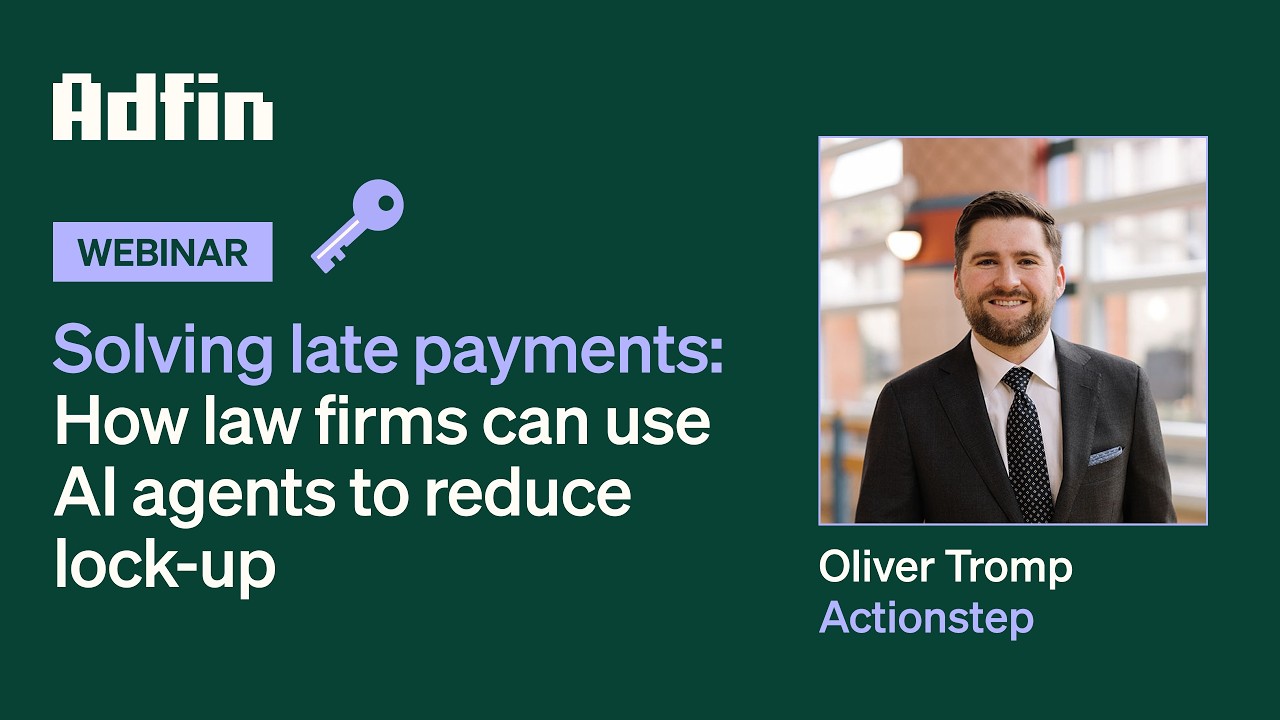
Solving Late Payments: How Law Firms Can Use AI Agents to Reduce Lockup | Adfin x Actionstep

The Hidden Cost of Chasing Late Payments | Adfin x Husu

Getting Paid Before You Have a Finance Function | Adfin x Jumpstart
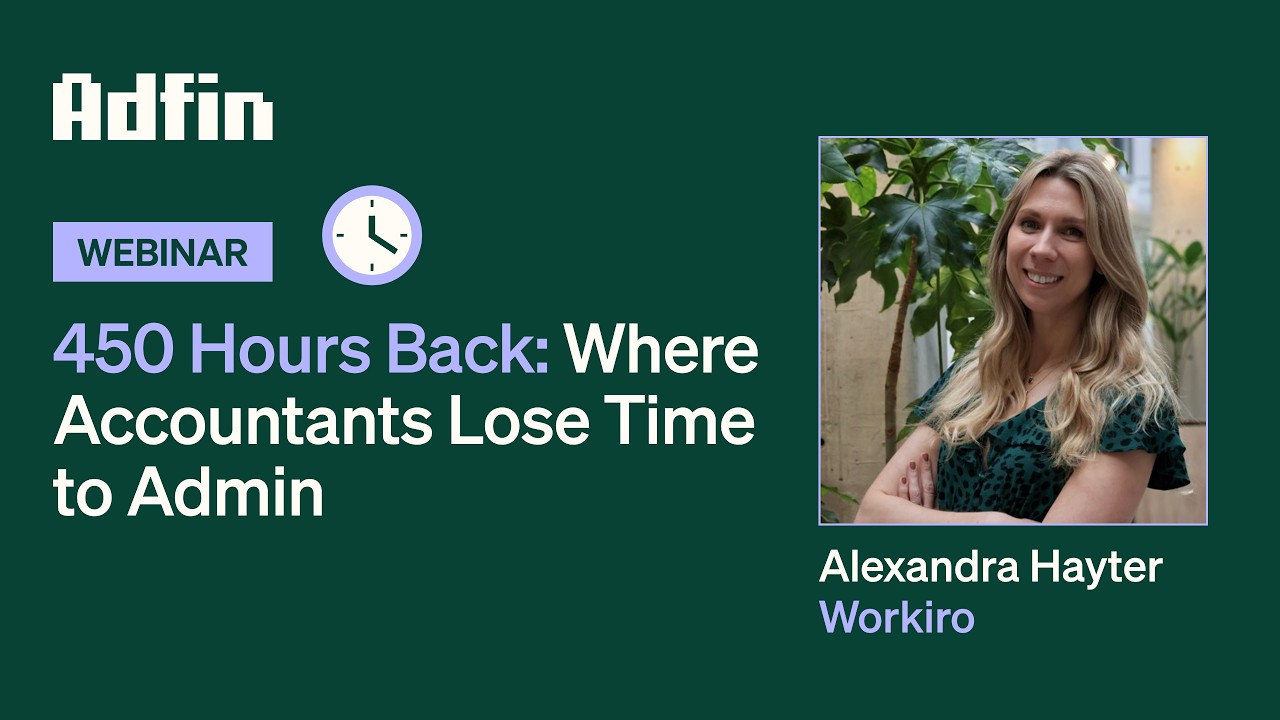
450 Hours Back: Where Accountants Lose Time to Admin

How to Build a Better Client Onboarding Process
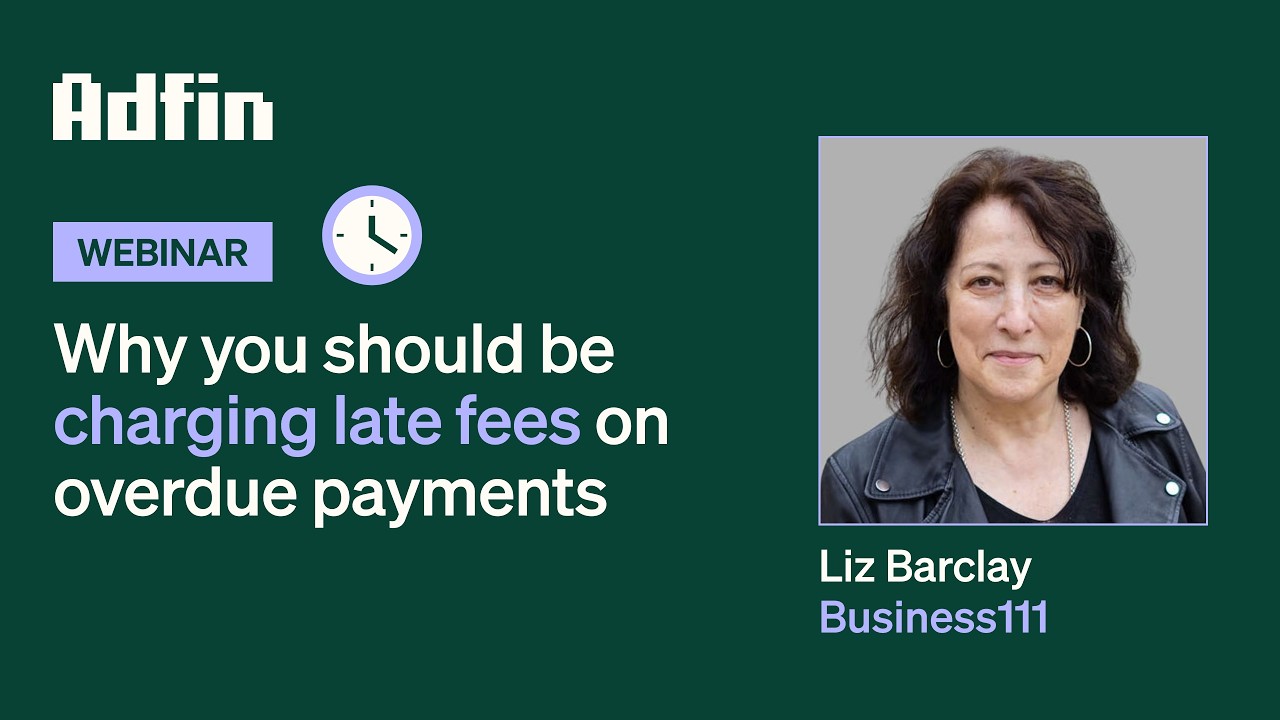
Why you should be charging late fees on overdue payments
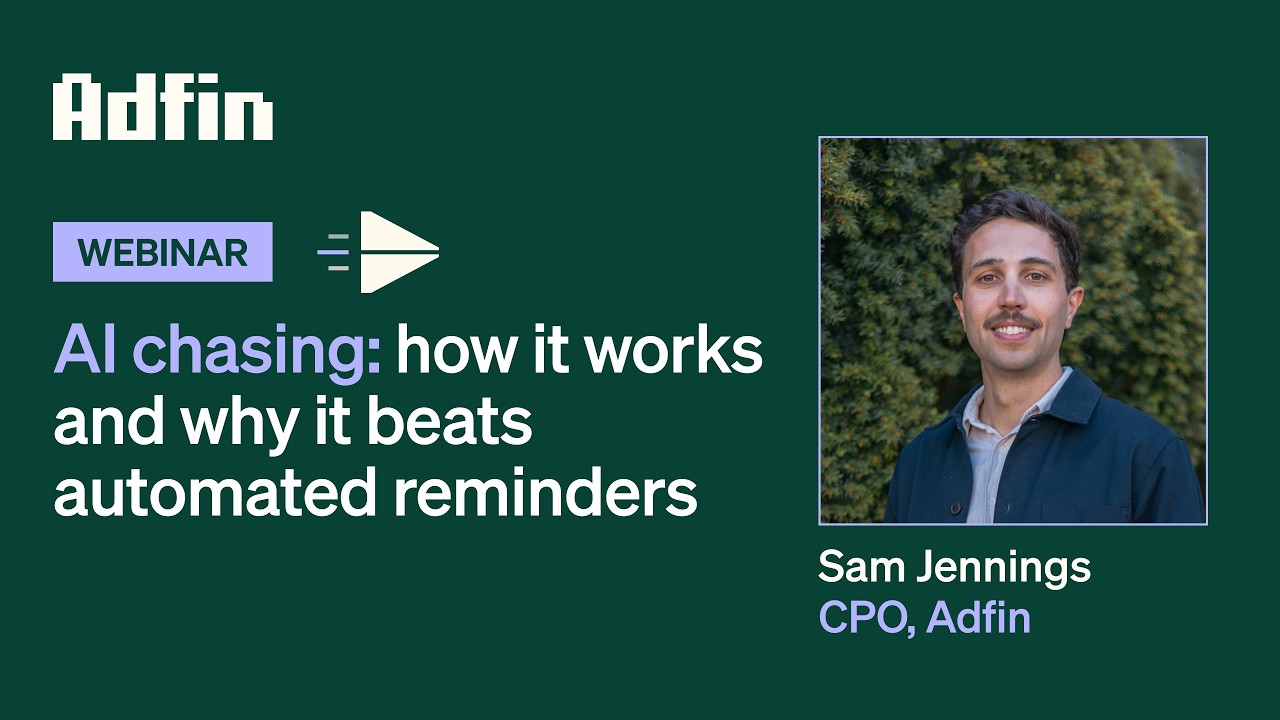
AI Chasing: how it works and why it beats automated reminders

The Adfin Brew: Episode 3 - Practice first, Clients next.
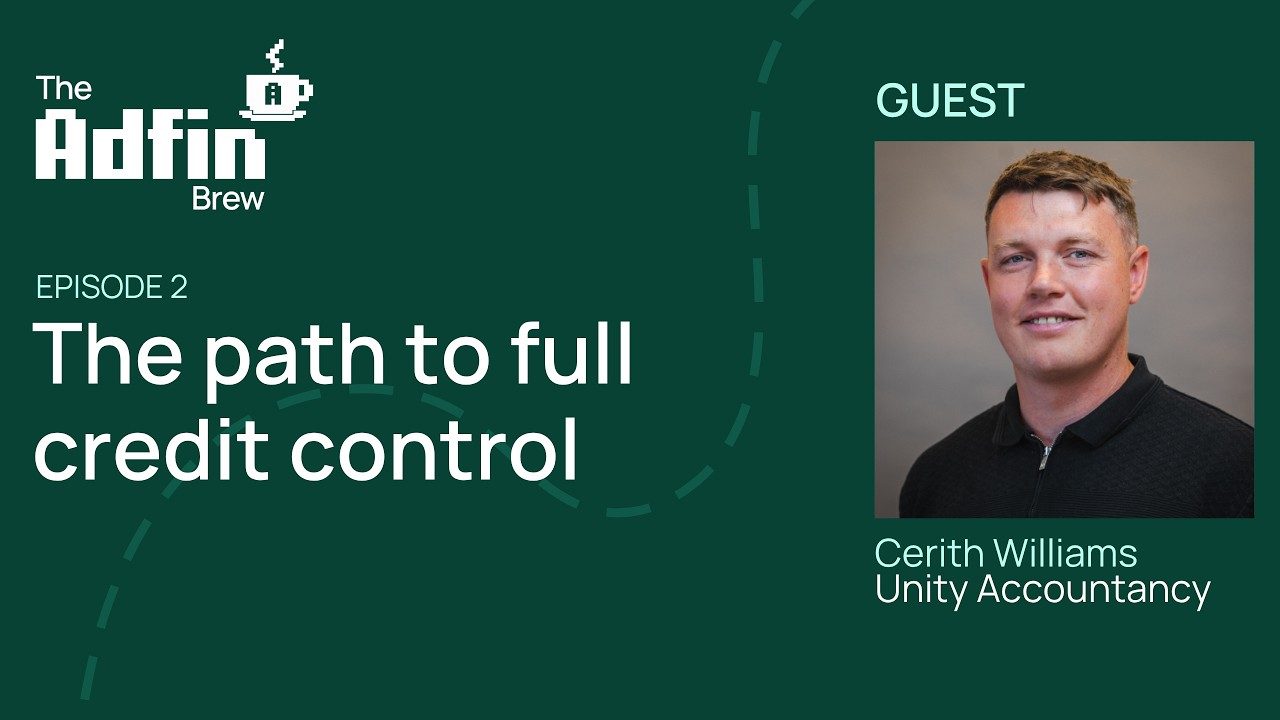
The Adfin Brew: Episode 2 - The path to full credit control
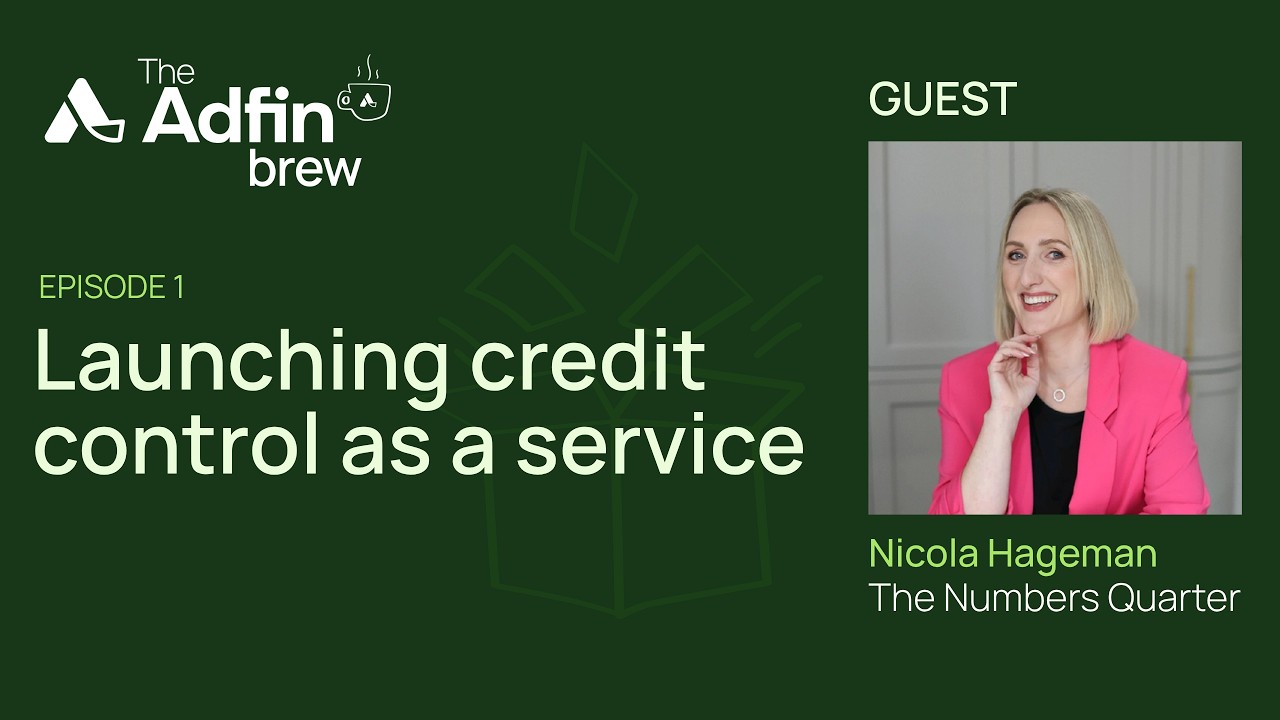
The Adfin Brew: Episode 1 - Launching credit control as a service
Product Updates
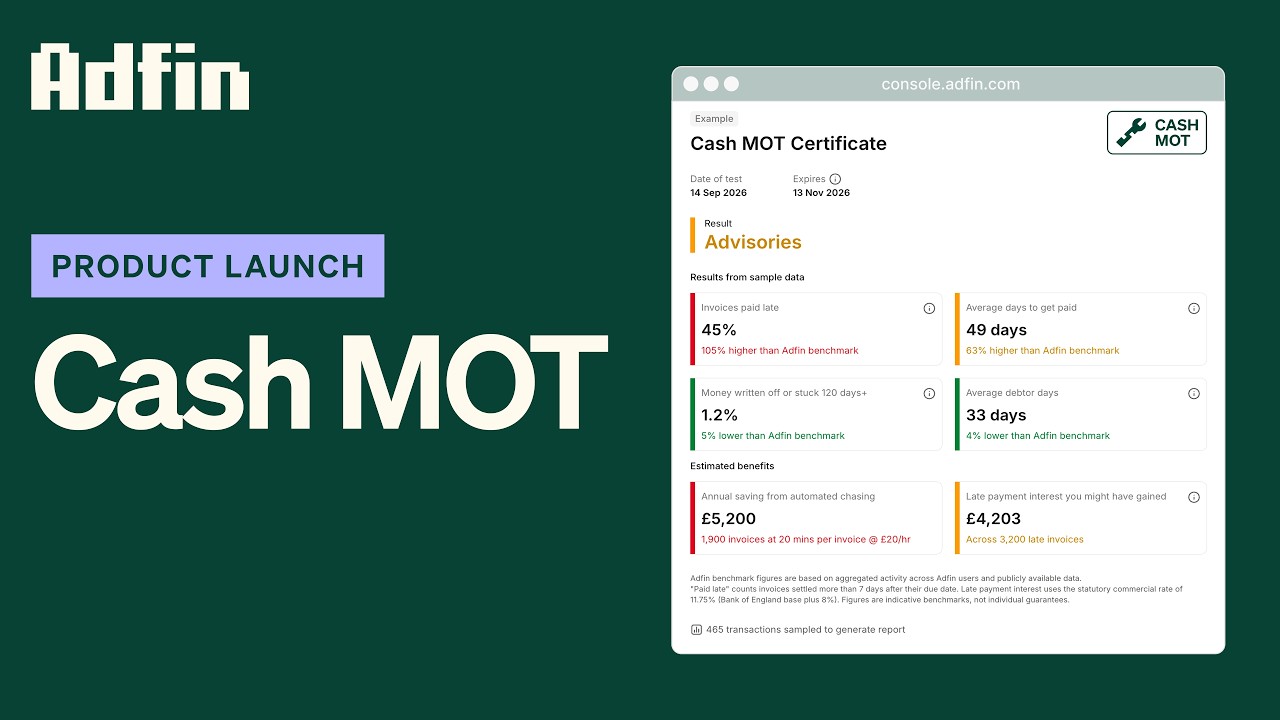
Introducing Cash MOT: Run a full cash flow report in minutes
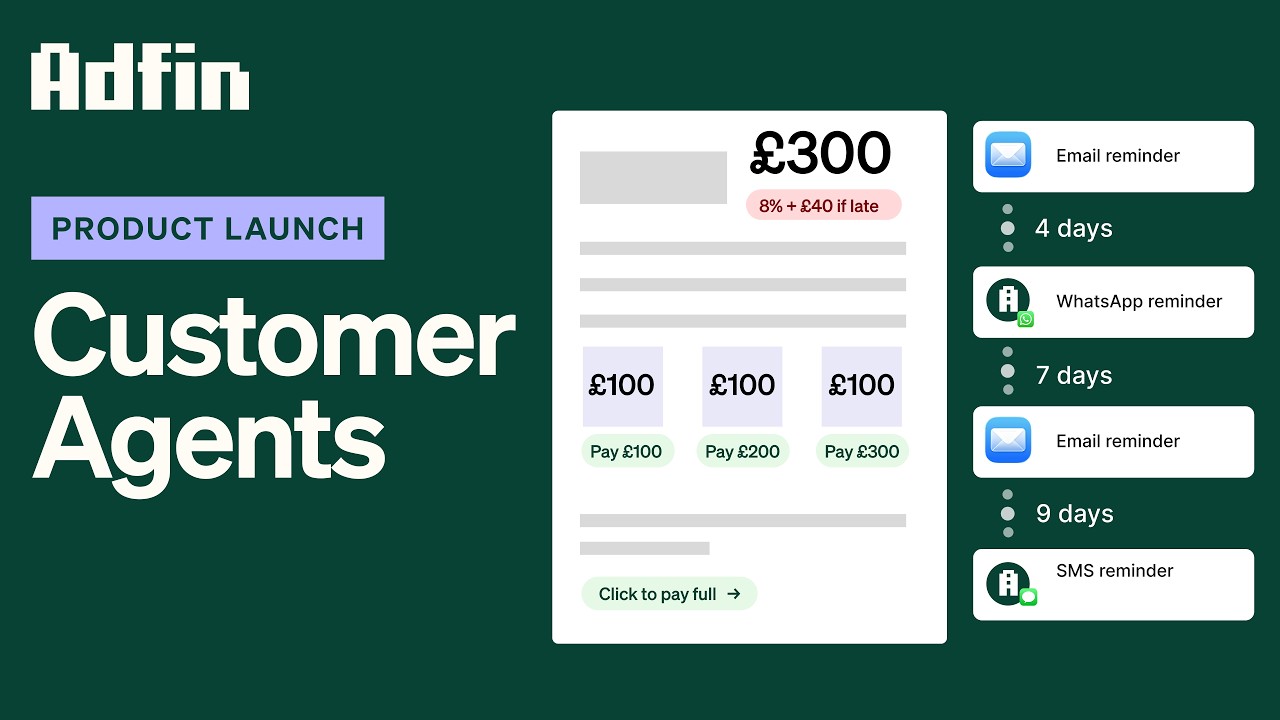
Introducing customer agents: AI credit control